Optimal Timing for Roof Leaf Blowings
Roof leaf blowings are essential for maintaining roof integrity and preventing damage caused by accumulated debris. The optimal timing for leaf blowings depends on seasonal leaf fall patterns, regional climate, and the type of trees surrounding the property. Proper scheduling ensures that debris does not cause water pooling, mold growth, or roof deterioration.
Perform leaf blowings after winter to remove accumulated debris from storms and snow melt, ensuring proper drainage.
Schedule leaf blowings during fall to clear fallen leaves before they become compacted and cause blockages.
Immediately after storms, especially those with high winds, to prevent debris buildup and potential damage.
Bi-annual or quarterly blowings help maintain roof cleanliness and prolong roof lifespan.
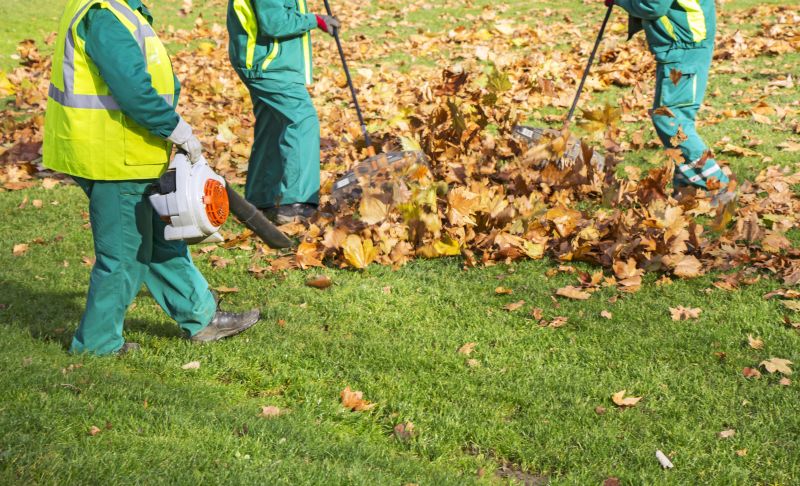
Ways to make Roof Leaf Blowings work in tight or awkward layouts.
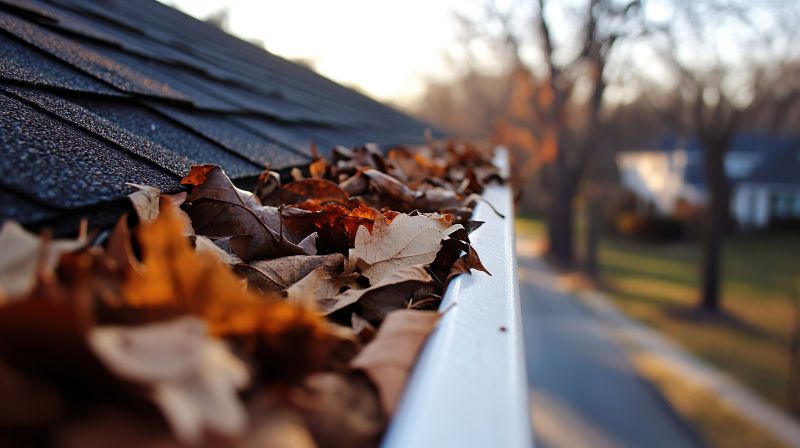
Popular materials for Roof Leaf Blowings and why they hold up over time.
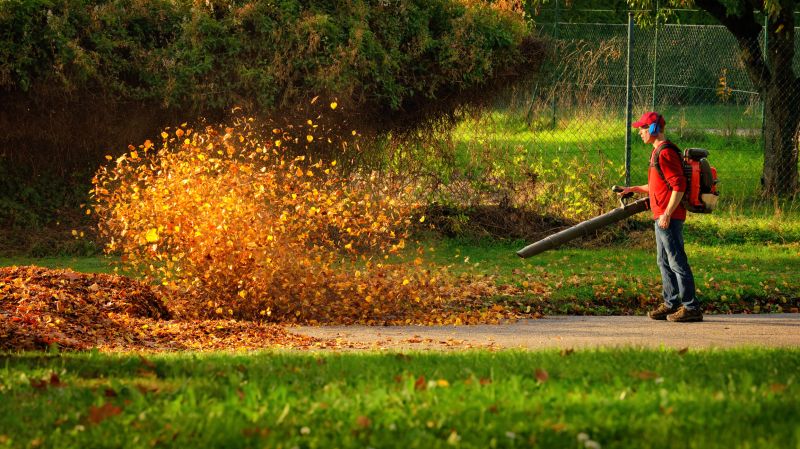
Simple add-ons that improve Roof Leaf Blowings without blowing the budget.
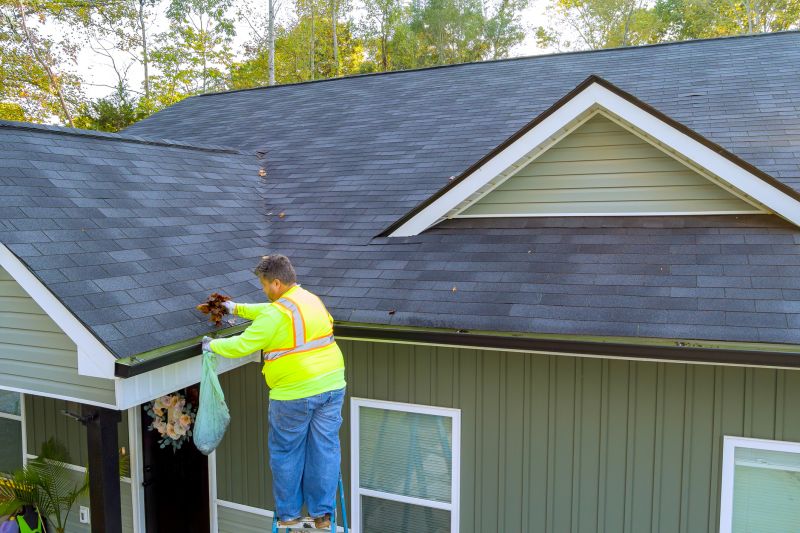
High-end options that actually feel worth it for Roof Leaf Blowings.
Roof leaf blowings are a proactive approach to maintaining roof integrity and preventing costly repairs. Leaves and debris can trap moisture, leading to mold, rot, and damage to roofing materials. Regular removal helps ensure proper water runoff and reduces the risk of pests nesting in debris buildup. Statistics show that neglected debris can cause roof deterioration within just a few seasons, emphasizing the importance of scheduled blowings.

Finishes and colors that play nicely with Roof Leaf Blowings.

Little measurements that prevent headaches on Roof Leaf Blowings day.

A 60-second routine that keeps Roof Leaf Blowings looking new.
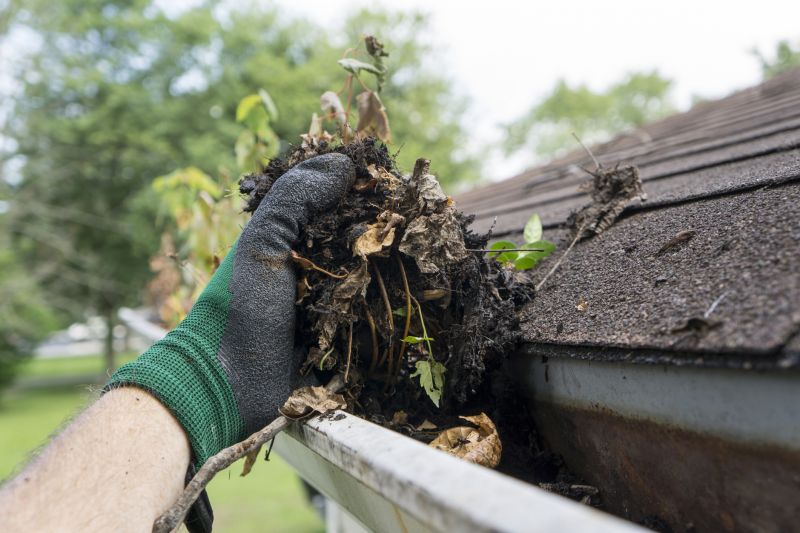
A frequent mistake in Roof Leaf Blowings and how to dodge it.
| Season/Period | Recommended Action |
|---|---|
| Spring | Perform leaf blowings after winter snow melts |
| Early Fall | Clear leaves before they fall in large quantities |
| Post-Storm | Remove debris after storms with high winds |
| Quarterly | Schedule regular maintenance throughout the year |
| Regional Variations | Adjust frequency based on local leaf fall patterns |
Timely roof leaf blowings contribute to the longevity of roofing systems by preventing debris accumulation that can lead to water pooling, mold growth, and structural damage. Regular maintenance is especially crucial in regions with dense tree coverage or frequent storms. Proper scheduling aligns with seasonal leaf fall and weather patterns, optimizing roof health and reducing long-term repair costs.

Small tweaks to make Roof Leaf Blowings safer and easier to use.
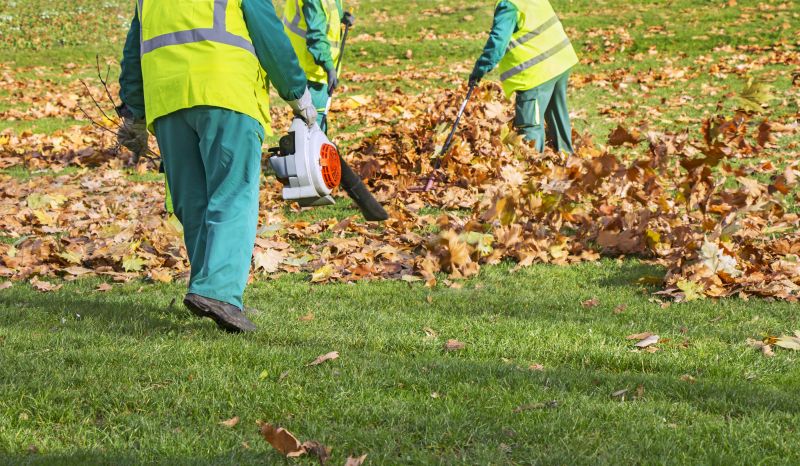
Lower-waste or water-saving choices for Roof Leaf Blowings.
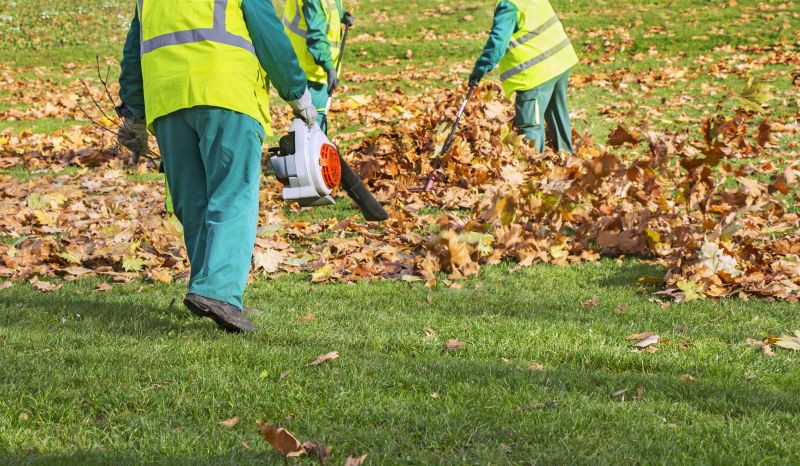
The short, realistic tool list for quality Roof Leaf Blowings.
Interested in scheduling roof leaf blowings? Filling out the contact form can provide more information and help plan maintenance that suits specific regional and seasonal needs.