Roof Algae Removal in Vancouver, WA
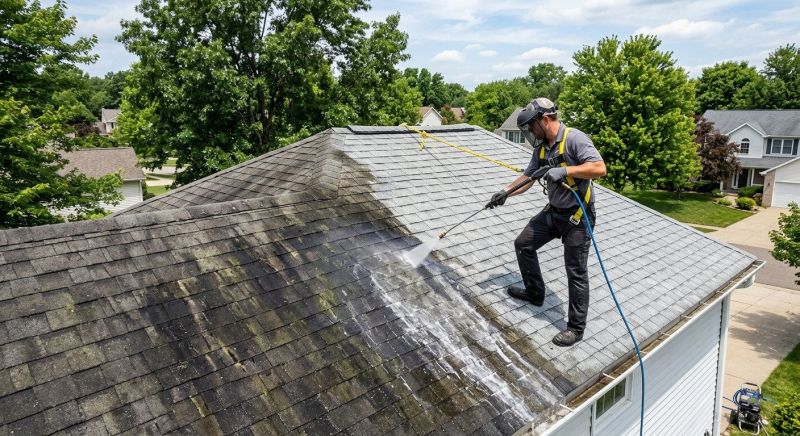
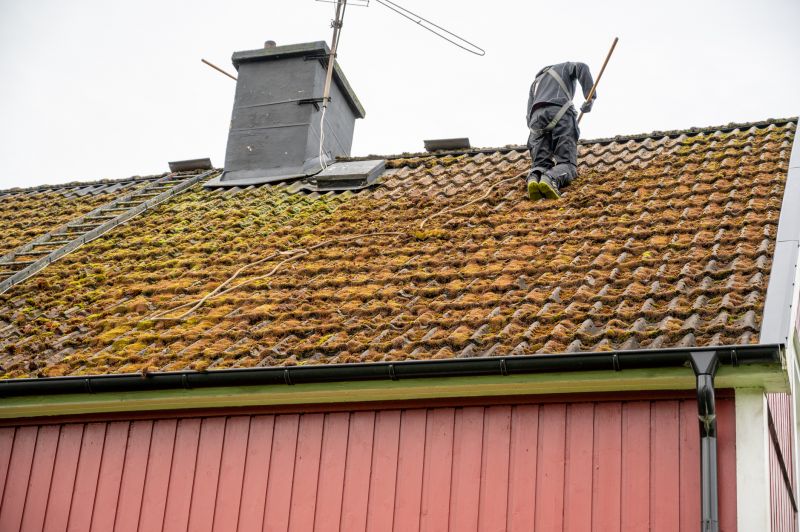
Roof algae removal services focus on eliminating unsightly algae growth that can develop on roof surfaces over time. This service is suitable for various types of roofing materials, including asphalt shingles, tile, and wood, and is often requested to restore the appearance of a home’s roof, prevent potential damage, and extend its lifespan. Property owners typically seek this service after noticing dark streaks, discoloration, or moss buildup, and they want to understand how the algae affects their roof’s integrity and aesthetic appeal before proceeding.
Before requesting roof algae removal, homeowners generally want to know about the methods used to clean the roof and whether the process is safe for their roofing material. It’s also helpful to understand how the algae forms, what signs indicate its presence, and how regular maintenance can help prevent future growth. Clarifying these points can assist property owners in making informed decisions to maintain a clean, attractive roof that protects their home.
Many property owners in Vancouver, WA look into Roof Algae Removal for repairs, replacements, upgrades, and appearance-related improvements.
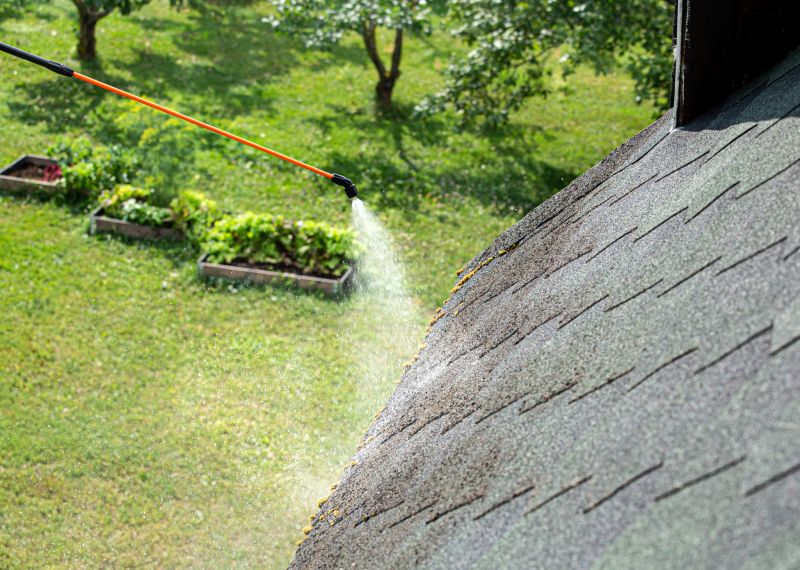
Benefits Of Roof Algae Removal
Removing algae helps protect your roof's integrity and enhances curb appeal.
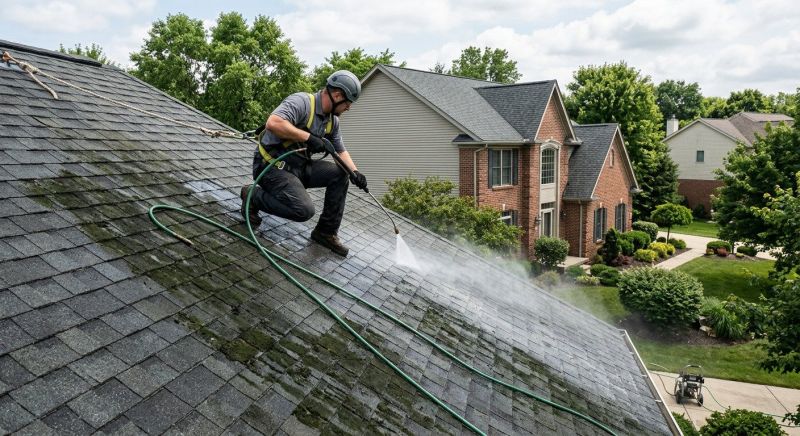
Signs You Need Algae Cleaning
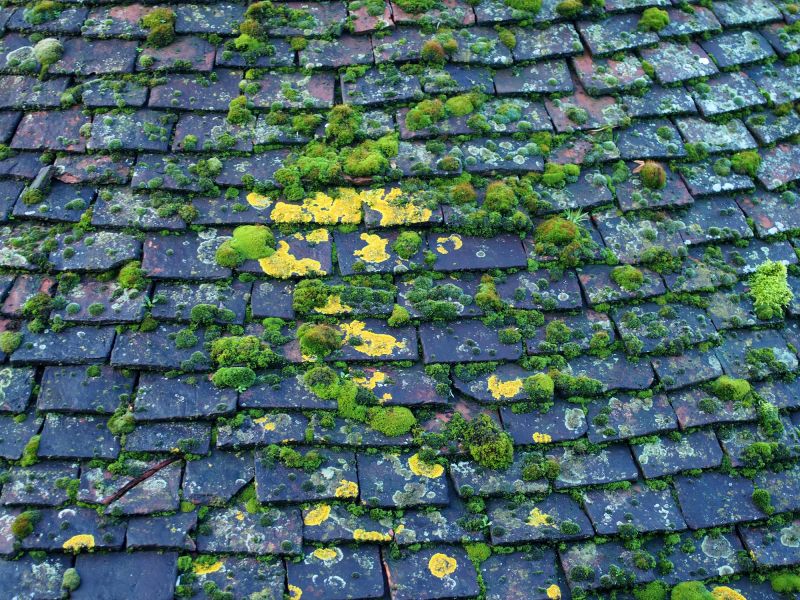
Dark streaks and moss growth are common indicators that algae removal may be necessary.
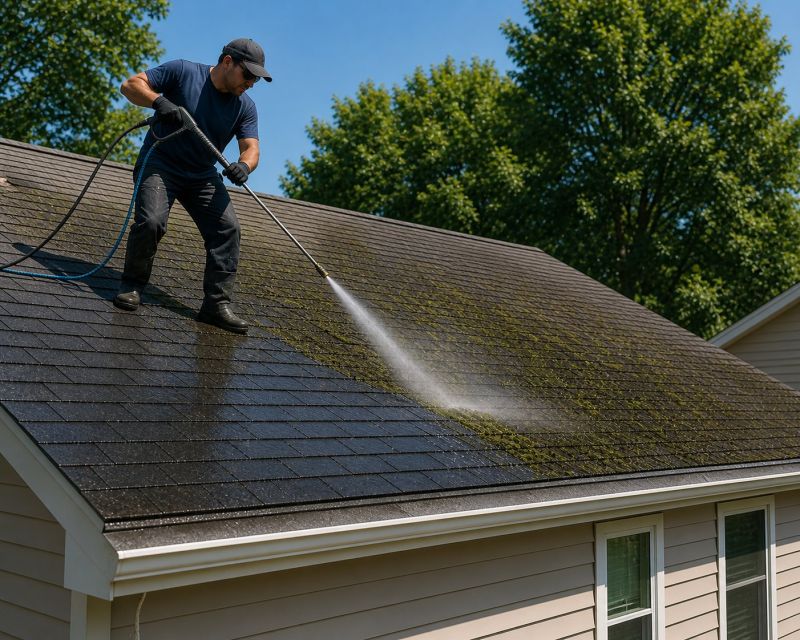
Maintenance Tips For Roof Health
Regular inspections and cleaning can extend the lifespan of your roof and prevent algae buildup.
Roof Algae Removal in Vancouver, WA
Roof algae removal services focus on eliminating unsightly algae growth that can develop on roof surfaces over time. This service is suitable for various types of roofing materials, including asphalt shingles, tile, and wood, and is often requested to restore the appearance of a home’s roof, prevent potential damage, and extend its lifespan. Property owners typically seek this service after noticing dark streaks, discoloration, or moss buildup, and they want to understand how the algae affects their roof’s integrity and aesthetic appeal before proceeding.
Before requesting roof algae removal, homeowners generally want to know about the methods used to clean the roof and whether the process is safe for their roofing material. It’s also helpful to understand how the algae forms, what signs indicate its presence, and how regular maintenance can help prevent future growth. Clarifying these points can assist property owners in making informed decisions to maintain a clean, attractive roof that protects their home.
Many property owners in Vancouver, WA look into Roof Algae Removal for repairs, replacements, upgrades, and appearance-related improvements.
Common Roof Algae Removal Jobs
Roof Algae Removal - eliminates unsightly algae growth that can damage roof shingles.
Shingle Cleaning - restores the appearance of stained or streaked roofing materials.
Moss and Lichen Removal - clears moss and lichen that can cause roof deterioration.
Preventative Treatments - applies solutions to inhibit future algae and moss growth.
Roof Surface Restoration - improves the overall look and lifespan of roofing materials.
Gutter and Roof Maintenance - includes cleaning to prevent algae buildup and water damage.
Roof Algae Removal Questions
What causes roof algae growth? Roof algae growth is typically caused by moisture, shade, and organic material on the roof surface, creating an environment for algae to thrive.
How does algae affect roof appearance and durability? Algae can cause staining and discoloration, and over time, may lead to roof material deterioration if left untreated.
Is roof algae removal safe for the roof surface? Yes, proper removal methods are designed to clean the roof without damaging shingles or other roofing materials.
What are common signs that roof algae needs removal? Visible dark streaks, discoloration, and moss or lichen growth are indicators that algae removal may be needed.
Request Roof Algae Removal in Vancouver, WA
Use the quote form on this page to share the basics of your project and request more information for the type of work you need.